The Ultimate Guide to Natural Haircare: Science-Backed Rituals, Modern Trends, and Holisitic Solutions
In recent years, a profound shift has reshaped the beauty industry. The era of masking hair damage with heavy synthetic polymers and harsh chemical straighteners is rapidly fading. Today, the global consensus is clear: healthy hair starts with a healthy, natural foundation.
This movement is not just a passing trend; it is a return to intuitive, nature-derived self-care, backed by modern trichological science. In this comprehensive guide, we will unpack the philosophy of natural haircare, address the most common hair struggles, explore the leading trends of 2026, and provide you with a step-by-step roadmap to achieving the hair of your dreams—naturally.
1. The Philosophy of Natural Haircare: Why It Matters
Our hair is an extension of our body’s delicate ecosystem. Standard commercial haircare products often rely on immediate, short-term aesthetic fixes. Silicones coat the hair shaft to simulate shine, while harsh sulfates (SLS/SLES) create a satisfying lather that strips away the scalp’s natural sebum. Over time, this cycle leaves the hair suffocated, dry, and prone to breakage, while the scalp becomes either chronically dry or overcompensatingly oily.
Choosing a natural haircare path means working with your biology rather than against it. By utilizing plant-derived lipids, herbal extracts, and gentle cleansing agents, you allow your hair to restore its natural moisture balance, regain its native elasticity, and unlock its true growth potential.
2. Leading Natural Haircare Trends in 2026
To build a truly modern routine, we must look at how the natural beauty space has evolved. The most prominent trends today focus on longevity, purity, and treating hair with the same sophistication we reserve for our skin.
A. The “Skinification” of Hair
For decades, we treated hair as dead fiber, ignoring the living tissue from which it sprouts. The “skinification of hair” trend treats the scalp as an extension of our facial skin. This means incorporating active ingredients like hyaluronic acid, salicylic acid, and natural exfoliating enzymes into our scalp care routines. A healthy, balanced, and clean scalp is the absolute prerequisite for strong hair growth.
B. Upcycled and Ancestral Ingredients
The modern beauty world is rediscovering ancestral ingredients, particularly animal-derived lipids like beef tallow and minimally processed plant oils. Rich in bioavailable vitamins (A, D, E and K) and fatty acids that closely mimic human sebum, these ingredients are taking center stage as highly compatible, deep-conditioning agents.
C. Silicone Alternatives (The Rise of Plant Esters)
While silicones provide instant slip, they form a hydrophobic barrier that prevents moisture from penetrating the hair. Modern formulations now leverage natural botanical alternatives, such as Jojoba oil esters, squalane, and broccoli seed oil, which mimic the silkiness of silicones without building up on the hair strand or harming the environment.
3. Solving Common Hair Woes: A Natural Approach
Transitioning to natural haircare is the most effective way to target persistent hair concerns. Let’s look at the most prevalent issues and their nature-derived solutions.
Issue I: Chronic Dryness and Split Ends
- The Cause: Loss of moisture in the hair cortex, often exacerbated by heat styling, environmental stress, or porosity imbalances.
- The Natural Solution: Deep lipid replenishment. Unlike water-based moisturizers that evaporate quickly, natural plant oils sink into the hair shaft, sealing the cuticle and locking in hydration.
- The Hero Ingredient: Cliganic Organic Jojoba Oil. Because jojoba oil is molecularly almost identical to human sebum, it acts as a perfect biomimetic moisturizer. It lubricates the hair shaft, softens dry ends, and prevents friction-induced breakage without weighing the hair down.
Issue II: Scalp Irritation, Dandruff, and Flaking
- The Cause: Microbial imbalances (often an overgrowth of Malassezia yeast), chemical buildup, or an impaired scalp barrier.
- The Natural Solution: Soothing, anti-inflammatory, and antimicrobial barrier repair.
- The Hero Ingredient: Terra Lotus Organic Beef Tallow Balm. For an ultra-dry, irritated, or flaky scalp, applying a tiny amount of grass-fed beef tallow blended with honey as a pre-shampoo treatment works wonders. Tallow is intensely nourishing, helping to rebuild the delicate skin barrier of the scalp, while honey acts as a natural humectant and antimicrobial agent to soothe itching and flaking.
Issue III: Dullness and Lack of Elasticity
- The Cause: Cuticle damage and protein loss due to environmental aggressors and harsh washing.
- The Natural Solution: Protecting the hair cuticle with antioxidant-rich botanical shields that reflect light naturally.
- The Hero Ingredient: FRØYA Organics Anti-Age Balm. Using premium, antioxidant-rich organic balms as a styling finisher or overnight treatment protects the hair from oxidative stress, seals the outer cuticle flat, and restores that coveted, healthy “instant glow” and bounce.
4. How to Build Your Natural Haircare Routine
Transitioning can feel overwhelming, but a structured, minimalist routine is all you need. Here is a highly effective, weekly ritual designed to restore your hair’s natural vitality.
| Pre-Shampoo Treatment | –> | Gentle Cleansing | –> | Conditioning & Detangling | –> | Sealing & Styling |
| (Weekly) | (2-3x/Week) | (Every Wash) | (Post-Wash) | |||
Step 1: Pre-Shampoo (The Scalp and Length Prep)
Once or twice a week, dedicate time to a pre-shampoo treatment.
- For Scalp Health: Apply a few drops of Cliganic Jojoba Oil directly to your scalp and massage gently for 5 minutes. This stimulates blood circulation and loosens product buildup.
- For Deep Repair: If your ends are excessively dry or damaged, melt a pea-sized amount of a nutrient-dense balm, like Terra Lotus Tallow Balm, between your palms and work it through the bottom half of your damp hair. Leave it on for 30 minutes to an hour before stepping into the shower.
Step 2: Gentle Cleansing
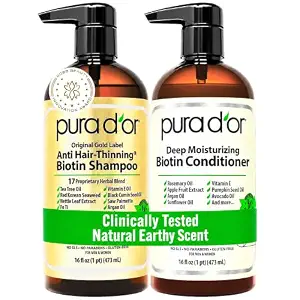
Switch to a sulfate-free, pH-balanced natural shampoo. Focus the product solely on your scalp, letting the suds gently run down the lengths of your hair as you rinse. Avoid scrubbing the ends, as wet hair is in its most fragile state.
Step 3: Hydrating and Conditioning
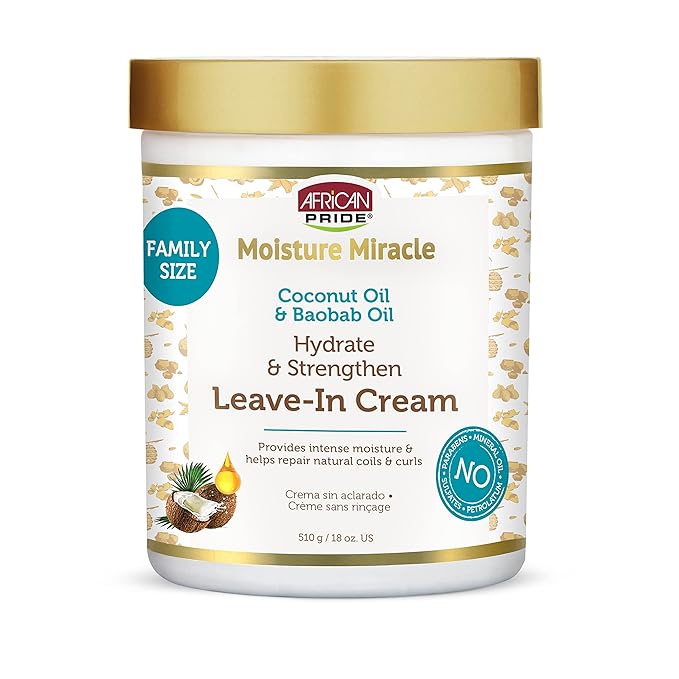
Apply a silicone-free conditioner from the mid-lengths to the ends. Use a wide-tooth comb or your fingers to detangle gently while the conditioner is in, starting from the tips and working your way up to the roots to minimize breakage. Rinse thoroughly with cool water to help close the hair cuticles.
Step 4: Sealing in the Moisture
Once out of the shower, gently squeeze out excess water with a microfiber towel or a clean cotton T-shirt (avoid rough terry cloth towels). While your hair is still damp, apply a tiny amount of Cliganic Jojoba Oil to your ends. This creates a natural, breathable micro-barrier that locks in the water molecules, keeping your hair hydrated for days.
5. Navigating the Transition Phase: What to Expect
When you switch from chemical-heavy products to a clean, natural routine, your hair may go through a “detox” phase that lasts anywhere from 2 to 6 weeks.
What Happens During Detox?
- The Purge: As the synthetic silicones slowly wash away, your hair’s true condition will be revealed. It might feel slightly drier or rougher initially. This is completely normal—it is not the natural products causing dryness, but rather the old damage finally being exposed.
- The Rebalancing Act: Your scalp, accustomed to being stripped by harsh sulfates, might temporarily overproduce oil. Hang in there! As your scalp realizes it no longer needs to fight off harsh detergents, its sebum production will stabilize, leaving you with clean, balanced roots that require less frequent washing.
6. Holistic Habits for Vibrant Hair
Beautiful hair is an inside-out job. While topical treatments are vital, your daily lifestyle choices form the foundation of hair cellular growth.
- Hydration: Your hair shaft is made up of about 25% water. Drinking at least 2 liters of water daily ensures your hair follicles are hydrated from within.
- Nutrient-Dense Diet: Hair is primarily composed of a protein called keratin. Ensure you are consuming adequate high-quality proteins, healthy fats (like Omega-3s found in wild fish and flaxseeds), and vitamins.
- Protect Your Hair at Night: Replace your cotton pillowcase with a silk or satin one. Cotton absorbs moisture from your hair and causes friction, leading to frizz, dryness, and morning breakage. Alternatively, protect your hair by placing it in a loose top-knot or a protective braid.
Conclusion: Embrace the Slow Beauty Ritual
Achieving gorgeous, healthy hair naturally is not about finding a magic overnight cure; it is about adopting a sustainable, loving ritual. By eliminating synthetic toxins, focusing on scalp health, and utilizing powerful, bio-compatible ingredients like pure jojoba oil, botanical balms, and natural lipids, you are investing in the long-term health and resilience of your hair.
Be patient with your hair as it transitions, listen to its unique needs, and enjoy the beautiful, rewarding journey back to your natural radiance.
🛍️ Featured Natural Solutions for Your Journey:
- For Sebum Balancing & Moisture: Check Price on Amazon
- For Intense Scalp Barrier Repair: Check Price on Amazon
- For Everyday Shine & Protection: Check Price on Amazon
Read also:
The Ultimate Guide to Hair Health and Care: Science, Art, and a Sustainable Modern Vision
5 Best Organic Vitamin C Serums for Glowing Skin (Cruelty-Free)
How to Build a Clean & Organic Skincare Routine for Sensitive Skin