The Ultimate Guide to Hair Health and Care: Science, Art, and a Sustainable Modern Vision
Introduction: Hair as More Than Just an Appearance
Throughout history and across various human cultures, hair has never been merely strands covering the head; it has always been a symbol of identity, strength, beauty, and overall health. In the modern era, hair has become a powerful medium for self-expression and a mirror reflecting our lifestyle, as well as how well we care for our physical and mental well-being.
Understanding the importance of hair, the scientific biology behind its growth, and how to accurately identify its type and address its common struggles is the first and most crucial step in building a healthy, long-term relationship with your locks. This guide is not just a collection of passing tips; it is your comprehensive and detailed reference to unlocking the secrets of your hair and helping it achieve its ultimate vitality and natural shine.
1. The Importance of Hair and the Biology of Its Growth: How Does It Work?
To care for our hair properly, we must first understand how it grows and study its basic anatomical structure.
A. The Anatomical Structure of Hair
Each hair strand on your head consists of two main parts:
- The Root: This is the living part located beneath the skin’s surface, nestled within what is known as the Hair Follicle. The follicle is nourished by blood vessels that supply it with the oxygen and essential nutrients required for rapid cell division and growth.
- The Hair Shaft: This is the visible, external part that we style and see. This section is primarily composed of a hard, non-living protein called Keratin. It is protected by an outer shielding layer called the Cuticle, which resembles shingles on a roof or scales on a fish. When these cuticle scales lie flat and organized, the hair appears smooth, reflective, and shiny; when they are raised, chipped, or damaged, the hair looks dull, frizzy, and tangled.
B. The Hair Growth Cycle
Every hair on your scalp goes through three main, continuous phases, operating completely independently of the surrounding strands:
[ Growth Phase: Anagen ] —> [ Transition Phase: Catagen ] —> [ Resting & Shedding Phase: Telogen ]
(Lasts 2-7 Years) (Lasts 2-3 Weeks) (Lasts 3-4 Months)
- The Anagen Phase (Growth): This is the active phase where hair cells divide rapidly to form new hair. It lasts anywhere from two to seven years, and its duration determines the maximum potential length your hair can reach.
- The Catagen Phase (Transition): A short transitional phase lasting a few weeks where the hair strand stops growing and detaches itself from the nourishing blood supply.
- The Telogen Phase (Resting & Shedding): The resting phase where the hair remains in place for a few months until a new hair begins to grow beneath it, eventually pushing the old strand out to shed. It is completely normal to lose between 50 to 100 hairs a day as part of this natural, healthy cycle.
2. Why Hair Health Matters: The Necessity of Conscious Care
Caring for your hair is not an aesthetic luxury; it is an urgent health and preventative necessity for several fundamental reasons:
A. An Internal Indicator of Overall Health
Hair is one of the very first parts of the body to react to internal imbalances. Nutritional deficiencies (such as low iron, zinc, vitamin D, or B12), thyroid disorders, and high levels of chronic stress show up almost immediately as sudden hair shedding or a complete loss of shine. Therefore, taking care of your hair and closely monitoring its changes helps you understand and listen to your body’s internal language.
B. Defense Against Environmental Aggressors
Hair acts as a natural protective shield for your scalp against harmful ultraviolet () radiation, harsh weather fluctuations (extreme cold or dry heat), dust, and environmental pollution. Without consistent care to cleanse and protect this barrier, pollutants accumulate, leading to chronic scalp irritation and inflammation.
C. Psychological and Social Impact
Psychological studies have consistently shown that hair appearance is deeply linked to self-esteem and confidence. A “Good Hair Day” can significantly elevate a person’s mood, confidence, and productivity, whereas chronic hair struggles—such as severe thinning or embarrassing dandruff—can lead to frustration and social anxiety.
3. Classifying Hair Types: How to Identify Your Category Accurately
No hair care routine can succeed unless you accurately identify your hair type. What works wonders for thick, dry hair can weigh down and oversaturate fine, oily hair. Hair is classified according to several scientific metrics:
First: Shape and Pattern (The Andre Walker System)
| Main Category | Sub-Type | Description & Characteristics | Primary Needs |
| Type 1: Straight | 1A, 1B, 1C | Completely straight hair with zero wave pattern. It tends to get oily quickly as natural sebum glides easily from roots to tips. | Lightweight cleansers; avoiding heavy oils that weigh the hair down. |
| Type 2: Wavy | 2A, 2B, 2C | Forms a gentle, loose “ | Volumizing products paired with light hydration to curb frizz. |
| Type 3: Curly | 3A, 3B, 3C | Distinct, spiral, or spring-like curls. It suffers from chronic dryness because sebum struggles to travel down the curls. | Deep, consistent moisture, curl-defining creams, and avoiding sulfates. |
| Type 4: Coily / Kinky | 4A, 4B, 4C | Very tight, densely packed curls forming a “ | Heavy natural butters (like Shea butter), layering moisture (LOC method), and gentle detangling while damp. |
Second: Hair Porosity
Porosity is your hair’s ability to absorb and retain moisture. It is divided into:
- Low Porosity: The cuticle scales are tightly closed and overlap flatly. It is highly resistant to moisture and products entering, but once moisture does get in, it remains locked inside for a long time. (Needs lightweight products, warm water/heat to open the cuticles during conditioning, and the avoidance of heavy proteins).
- Medium Porosity: The cuticle layers are perfectly balanced and moderately open. It absorbs and retains moisture with ease. (This is resilient, low-maintenance, and easy-to-style hair).
- High Porosity: The cuticles are widely open, damaged, or raised due to chemical processing, bleaching, or heat damage. It absorbs moisture almost instantly but loses it just as fast, leaving it perpetually dry. (Needs protein treatments to patch up the structural gaps, followed by heavy oils and butters to seal in moisture).
4. Most Common Hair Problems and Their Scientific Solutions
Modern lifestyles expose our hair to various damaging factors. Here is a map of the most common hair struggles and how to treat them effectively:
Problem I: Hair Loss and Thinning
- The Causes: Genetic predisposition (Androgenetic Alopecia), hormonal fluctuations (such as postpartum or menopause), iron deficiency (low ferritin), and chronic stress, which prematurely forces hair follicles into the shedding phase.
- The Solutions:
- Conduct comprehensive blood tests to check levels of iron, vitamin D, and zinc, and correct any internal deficiencies.
- Massage the scalp daily to stimulate microcirculation to the follicles.
- Apply natural growth-promoting oils, such as Rosemary Essential Oil diluted in a nourishing carrier oil like Jojoba Oil. Studies have shown rosemary oil can be as effective as minoxidil in promoting hair thickness over time, without the chemical side effects.
Problem II: Dandruff and Itchy Scalp
- The Causes: An overgrowth of the yeast-like fungus Malassezia which feeds on scalp oils, accumulation of styling product buildup (like silicones and heavy gels), or seborrheic dermatitis.
- The Solutions:
- Wash the scalp regularly and clarify it thoroughly to prevent excess oil and product buildup.
- Use gentle, natural scalp scrubs to exfoliate dead skin cells.
- Apply soothing, skin-barrier repairing natural treatments, such as an organic grass-fed beef tallow and honey balm, which acts as a powerful natural anti-inflammatory and antimicrobial shield to instantly calm itching.
Problem III: Chronic Dryness, Frizz, and Split Ends
- The Causes: Excessive use of high-heat styling tools, harsh chemical dyes or bleach, and washing the hair with very hot water, which strips away the protective lipid barrier.
- The Solutions:
- Trim the ends of your hair regularly (every 8 to 12 weeks) to prevent split ends from traveling up and destroying the hair shaft.
- Perform weekly warm-oil conditioning treatments to repair the hair length.
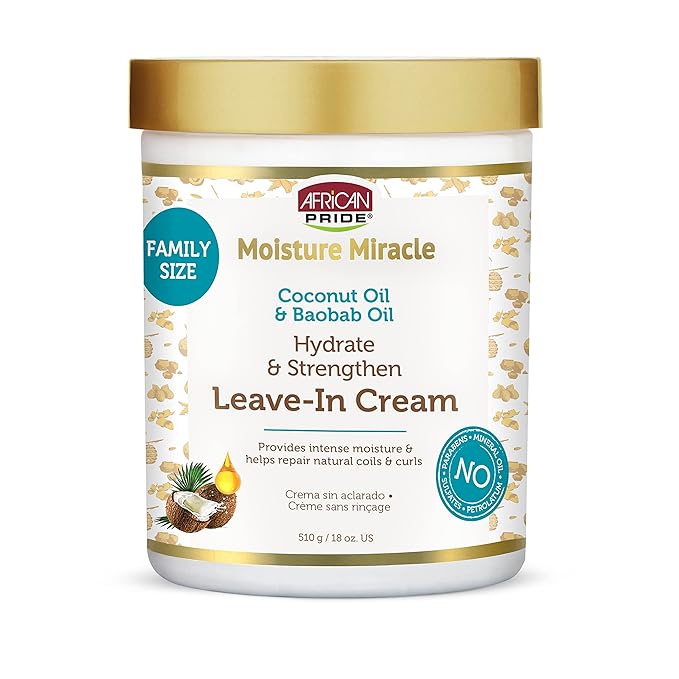
- Use organic, cold-pressed Jojoba Oil as a daily lightweight leave-in conditioner to seal the hair tips and lock in essential water molecules.
5. Modern Trends in the Haircare Industry
The global beauty landscape is undergoing a massive shift towards conscious, health-first, and eco-friendly practices:
A. Clean and Sustainable Beauty
Consumers are actively steering away from harsh chemicals such as drying sulfates (SLS/SLES), endocrine-disrupting parabens, and synthetic silicones that offer a artificial shine while suffocating the scalp. The modern trend demands absolute ingredient transparency, biodegradable packaging, and cruelty-free formulas.
B. “The Skinification of Hair” (Scalp Care is the New Skincare)
The focus has shifted entirely from trying to patch up dead, split ends to nurturing the very “soil” from which hair grows: the scalp. Scalp serums, silicone scalp massaging brushes, and purifying scalp exfoliators have officially become staple steps in any successful modern beauty routine.
C. Ultimate Personalization
The era of one-size-fits-all products is over. The leading trend today relies on assessing hair type, porosity, and local environmental conditions to formulate custom-tailored regimens that target an individual’s exact needs.
6. How to Build an Effective, Holistic Haircare Routine
To translate this knowledge into real, visible results, here is a highly effective weekly ritual designed to revive any hair type:
1. The Daily Habits:
- Smart Detangling: Use a wide-tooth wooden comb to protect your hair from static electricity, which causes frizz and breakage. Always start detangling gently from the ends, working your way slowly up to the roots.
- Nighttime Protection: Secure your hair in a loose, high ponytail (the “pineapple” method) to protect curl patterns, and sleep on a pure silk or satin pillowcase to eliminate friction and prevent your hair from drying out overnight.
2. The Weekly Ritual (The Self-Care Day):
- The Pre-Shampoo Treatment (Pre-poo): 30 minutes before stepping into the shower, distribute a nourishing oil blend (such as Jojoba and Argan oils) through your hair lengths. This acts as a protective shield that prevents shampoo from drying out your fragile ends.
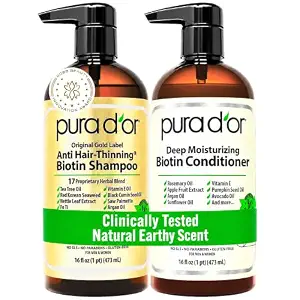
- Gentle Cleansing: Wash your scalp thoroughly using a sulfate-free, botanical shampoo, rinsing with lukewarm (never hot) water.
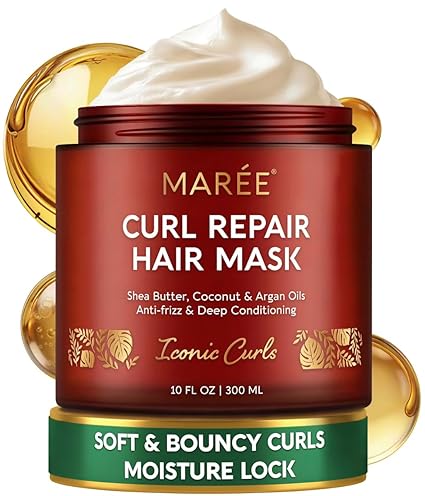
- Deep Conditioning: Apply a rich, silicone-free deep conditioning mask for 15 minutes to replenish lost moisture. Rinse with cool water to close the hair cuticles, locking in the hydration for a smooth, high-shine finish.
Conclusion: Embrace the Journey of Clean, Natural Beauty
Caring for your hair is not a sprint toward overnight miracles; it is a sustainable, mindful journey of connecting with your body and embracing its natural blueprint. By eliminating aggressive synthetic chemicals, understanding your hair’s unique porosity, and adopting a nourishing routine based on pure botanical extracts, organic lipids, and premium natural oils, you will watch your hair gradually reclaim its native strength, bounce, and radiant, authentic glow.
Start today, be patient with your hair, listen to what it needs, and enjoy the rewarding transition back to your true, natural vitality!
🛍️ Featured Natural Solutions for Your Journey:
- For Sebum Balancing & Moisture: Check Price on Amazon
- For Intense Scalp Barrier Repair: Check Price on Amazon
- For Everyday Shine & Protection: Check Price on Amazon
Read also:
5 Best Organic Vitamin C Serums for Glowing Skin (Cruelty-Free)
How to Build a Clean & Organic Skincare Routine for Sensitive Skin